What is a gum graft?
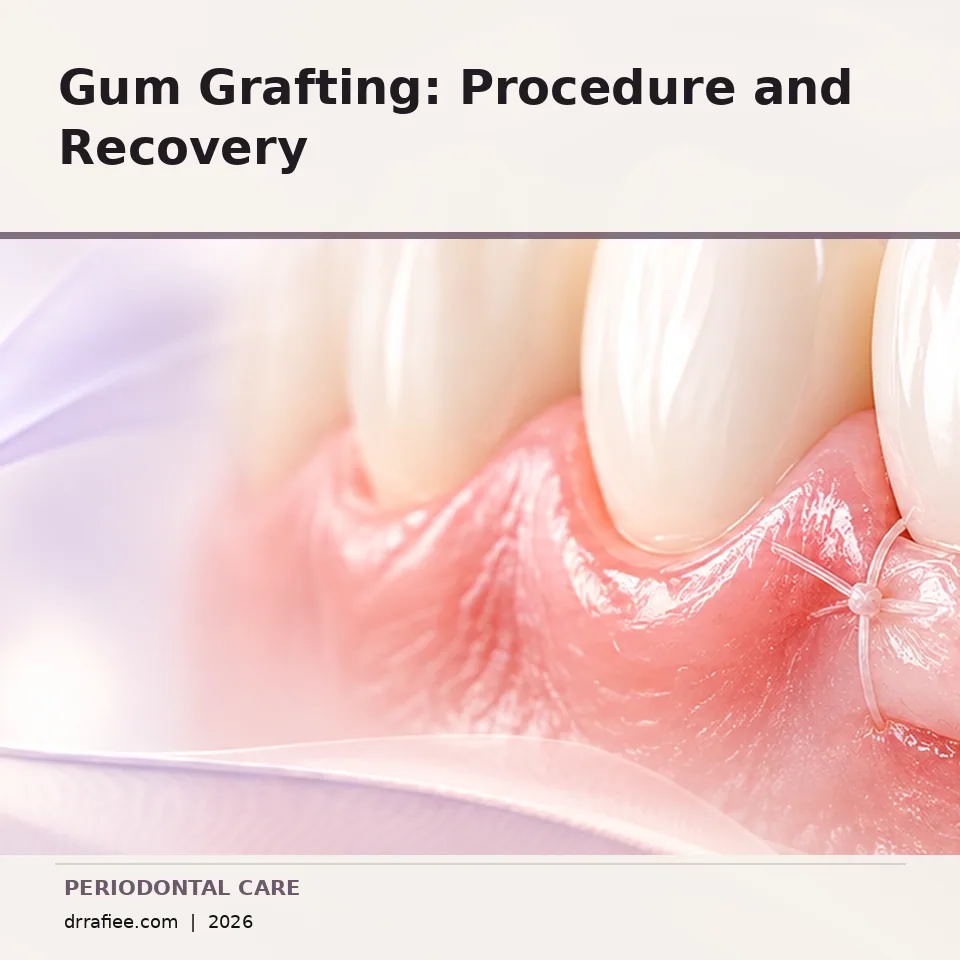
Gum grafting is a periodontal surgical technique used to increase the amount or thickness of gingival tissue and, in certain cases, to cover an exposed tooth root. The objective varies from one patient to another: it may be root protection, management of thin tissues or improvement of appearance.
When the gum margin moves towards the tooth root, this is called gum recession. Patients may notice a longer-looking tooth, sensitivity to cold drinks or part of the root becoming visible. Recession is not always painful, and the decision to graft is not made from appearance alone.
Who may need gum graft surgery?
A periodontist may consider grafting when recession is present, the tissues around a tooth are thin, root sensitivity is troublesome, or tissue characteristics increase the risk of further problems. The goal may be to reinforce tissue or cover part of the root.
Grafting is not necessary for everyone with recession. Treating inflammation, correcting brushing technique, reducing harmful forces and periodic monitoring may be preferable. When active periodontal disease is present, controlling it before deciding on surgery is important.
What is assessed before surgery?
The clinician examines the extent of recession, sulcus or pocket depth, the amount of healthy tissue, tooth position and condition of the supporting structures. Periodontal history, smoking, blood glucose control, brushing habits and previous procedures may also influence planning.
A clinical examination may be sufficient for some patients; others require imaging or further evaluation. These findings clarify whether the objective is root coverage, tissue reinforcement or simply managing contributing factors.
What types of gum graft are available?
A connective tissue graft is a well-established option for increasing thickness and treating certain recession defects. The graft may be taken from the palate and placed beneath tissue at the receiving site. Selection depends on the degree of recession and tissue conditions.
A free gingival graft may be used to increase the width or resilience of keratinised tissue. Tissue-repositioning methods, including coronally advanced flaps and some tunnelling techniques, are also considered in suitable cases. These names are provided for patient education and do not imply that every technique is performed at this clinic.
In selected circumstances, substitute grafting materials may be used. The clinician discusses the appropriate tissue source and technique, with the benefits and limitations of each choice, after assessment.
What are the stages of gum graft surgery?
Once the treatment plan has been explained and informed consent obtained, surgery is usually performed under local anaesthesia. The receiving site is prepared first. If tissue from the patient is used, the necessary graft is then harvested from the donor site.
The graft is placed and secured with sutures or another suitable method. At the end, the clinician explains site protection, food choices, oral hygiene, prescribed medicines and the follow-up visit. Details vary with the graft type and tissue condition.
Surgery may involve one or several teeth. The number of sites and tissue condition influence operating time and aftercare, so one fixed duration cannot be promised to every patient.
Is a gum graft painful?
Local anaesthesia usually numbs the site during the procedure. After the anaesthetic wears off, pain or discomfort, swelling and sometimes tenderness at the donor site can occur. Severity depends on the procedure and the individual.
Use medication prescribed by the clinician exactly as directed. Self-medicating, changing doses or replacing the surgeon's advice with online suggestions is inappropriate.
Important care after gum graft surgery
During the first days, protect the graft from stretching, trauma and manipulation. Brushing directly over sutures, pulling the lip aside to inspect the graft or flossing the same area without permission may interfere with healing. Cleaning of other areas is guided by the individual's instructions.
Specific advice from the surgeon takes precedence regarding food, mouthwash, physical activity, when to resume brushing over the graft and follow-up timing. Donor and recipient sites may require different care.
A dedicated “After Gum Graft Surgery” guide has been prepared by the clinic in its educational materials and is made available once approved for public distribution.
Which symptoms should prompt contact with the clinic?
Mild swelling and some discomfort can be expected initially. Persistent bleeding, uncontrolled pain, fever, purulent discharge, unpleasant odour accompanied by signs of infection, or swelling that worsens rather than subsides should be discussed with the clinic.
Difficulty breathing, trouble swallowing or rapid, severe swelling of the face or neck requires urgent emergency medical attention and must not be delayed while waiting for an online reply.
Recovery and when results become apparent
Early healing takes place over the first weeks, but final tissue shape and maturation may require more time. Swelling, appearance of sutures and timing of return to normal hygiene vary, so the result should not be judged in the first few days.
In some patients, the result closely matches the goal; in others, complete root coverage is not possible. Recession type, the supporting tissues between teeth and the chosen surgical technique affect the degree of coverage.
What affects the result and longevity of a gum graft?
General and oral health, inflammation, appropriate brushing, protecting the site during healing and attending reviews are important. Smoking and uncontrolled medical conditions may adversely affect tissue repair.
No technique can legitimately promise “100% root coverage” or “guaranteed permanence.” The treatment goal and realistic range of results should be discussed based on clinical findings.
How does gum grafting differ from gum contouring?
Gum grafting commonly aims to add or restore gingival tissue and sometimes cover exposed roots. Gum contouring or a gum lift, by contrast, may change the height of the gum margin to reveal an appropriate amount of tooth crown.
The procedures differ in purpose, method and aftercare. In some patients, active gum disease needs to be treated before any cosmetic gum procedure is considered.
When should I seek a specialist assessment?
If you have recently noticed recession, an exposed root, continuing sensitivity or a change in gum contours, a specialist assessment can establish the cause. A graft may be recommended, or non-surgical care and monitoring may be sufficient.
The right choice starts with diagnosis. Understanding the steps, expected results and aftercare is part of an informed decision.
Frequently Asked Questions
Does every case of gum recession require a graft?
No. Recession type, cause, symptoms and tissue condition guide treatment decisions. Some people can be managed with non-surgical care and monitoring.
Can a graft completely cover an exposed root?
This is possible in selected cases, depending on the recession defect and supporting tissues. Complete coverage cannot be guaranteed.
Is graft tissue always taken from the patient's palate?
No. The tissue source depends on the surgical objective, individual circumstances and selected method.
Can I brush my teeth after graft surgery?
Hygiene can usually continue elsewhere in the mouth, but cleaning the grafted site must follow the surgeon's precise directions.
Is gum grafting only cosmetic?
No. Reinforcing tissue, covering roots when appropriate and supporting dental health may also be treatment goals.
When can the final result be assessed?
Tissue healing and maturation take time, and the duration varies with the patient and technique. The clinician will advise when to assess the result.
Is gum grafting priced the same for everyone?
No. The number of teeth, procedure type and tissue conditions affect the plan and price. A more accurate estimate follows examination.
This information is for general education. It cannot replace an in-person specialist assessment.