How does subgingival treatment differ from routine cleaning?
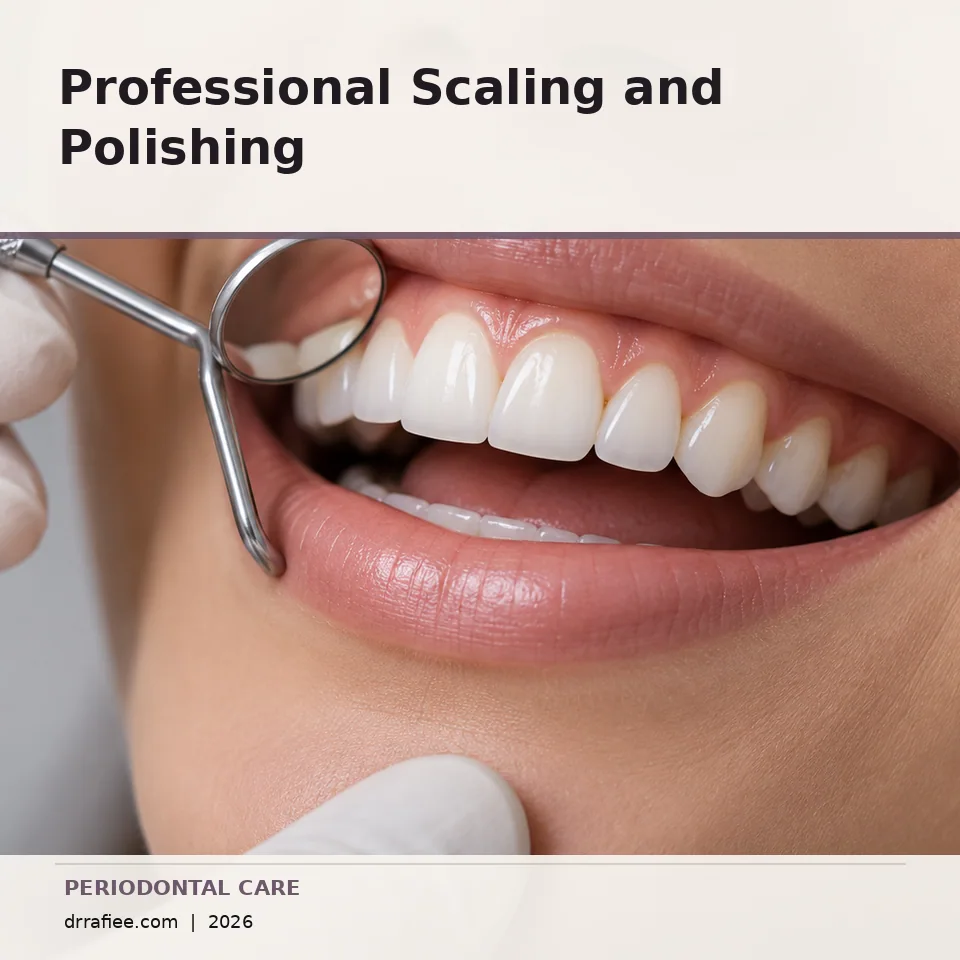
Routine supragingival cleaning mainly removes accessible deposits and plaque above the gumline. With periodontitis, deposits and biofilm may also accumulate within periodontal pockets on root surfaces. Subgingival instrumentation aims to reduce inflammation and help control the disease. Polishing is not a substitute.
What happens during treatment?
The clinician considers probing depths, bleeding and tooth condition before treating the affected areas. Hand instruments or ultrasonic devices may be used, with local anaesthesia when appropriate. The number of visits depends on the extent of disease.
Why is reassessment necessary?
Following a healing period, pocket depths, bleeding and tissue response are reviewed. Further treatment may be required at selected sites. Flap surgery is not necessary for every patient.
Maintenance over time
Individual oral hygiene, interdental cleaning, tobacco and risk-factor control, and supportive periodontal visits are integral to care. Temporary sensitivity or discomfort should be discussed if severe or persistent.
This information is for general education. It cannot replace an in-person specialist assessment.